For tens of thousands of years, humanity has looked up at the stars not for illumination, but for guidance. Before compasses and charts, the stars led the way for countless generations of explorers. From Phoenicians sailing beneath the Pleiades to Odysseus following the Great Bear home, and from Polynesian navigators crossing the Pacific to caravans trading across great deserts, we have relied on the cosmos to provide direction and order to our world.
Then, suddenly, in 1957, the cosmos changed forever. Sputnik left humanity’s mark in the night sky, collapsing the distance of the heavens from the stars’ light-years to mere light-milliseconds above us. Since then, there has always been an artificial satellite in orbit. For more than a quarter-century, there has also been a continuous human presence aboard the International Space Station, bringing humanity itself into the heavens.
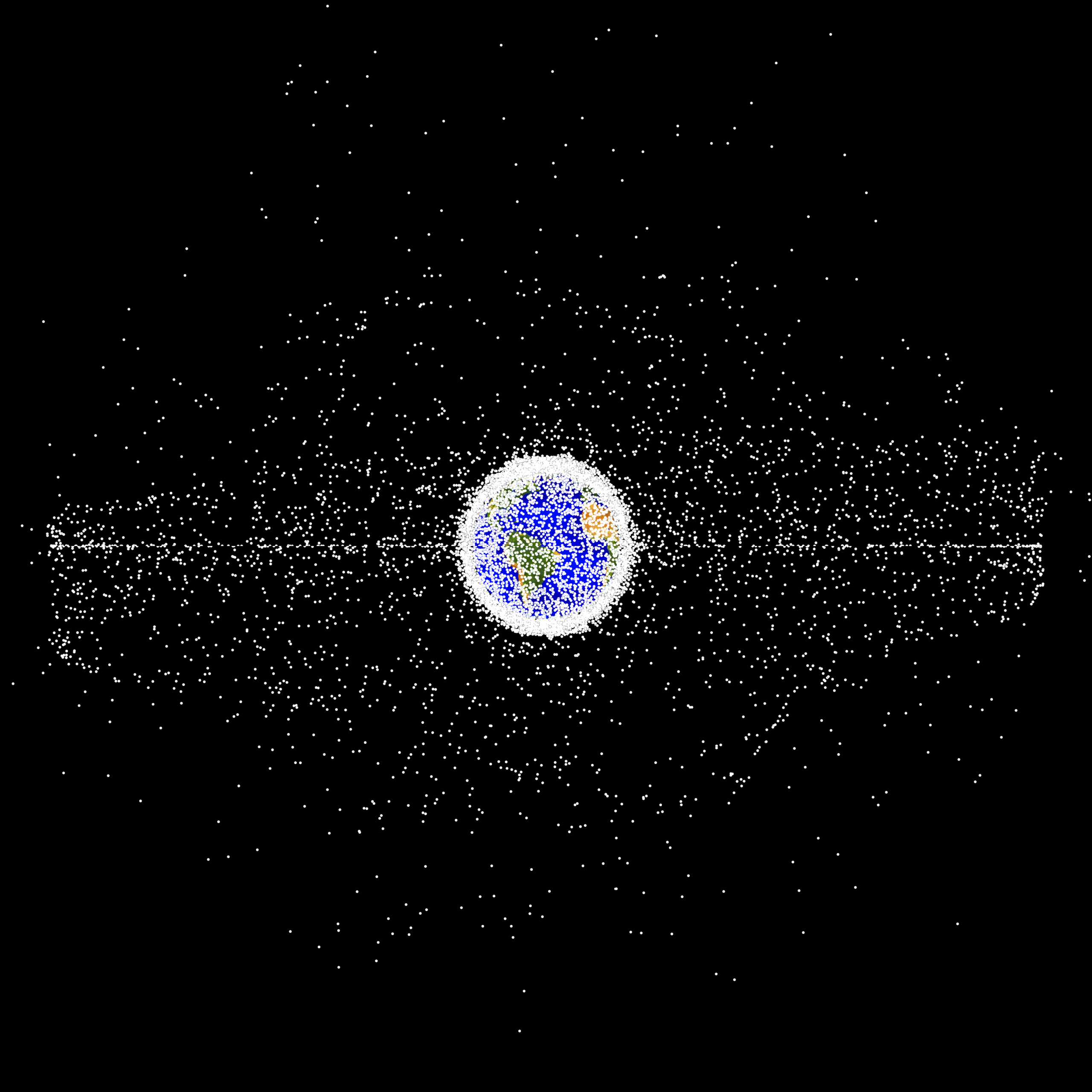
But humanity’s presence in orbit has developed from exploration into chaos. As of July 2026, more than 16,000 active satellites are orbiting Earth, accompanied by thousands of defunct payloads, rocket bodies, and pieces of catalogued debris. Since 2024, SpaceX alone has more than doubled its Starlink constellation from 5,000 satellites to over 10,300, and they are now applying to launch up to 100,000 more. Space debris increasingly threatens operating spacecraft and is an especially serious concern for crewed missions.
This was evident while camping a few weeks ago. Where the night sky once appeared static—an eternal reminder of our insignificance—it now appeared in constant motion, populated with our own artifacts. It’s a fundamental shift in human perspective, our impact on the universe impossible to ignore—if we remember to look.
… and then there are the space mirrors.
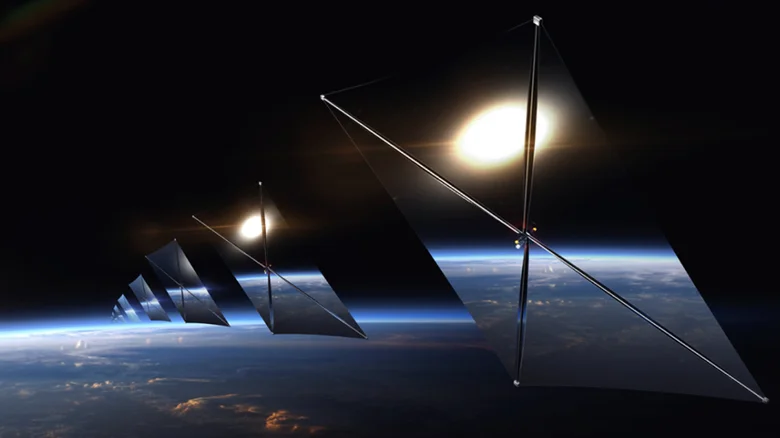
On July 9, 2026, the FCC authorized the radio communications needed to deploy and operate Reflect Orbital’s Eärendil-1 demonstration satellite, along with its orbital debris mitigation plan. Upon launch, the satellite will deploy a 60-foot-by-60-foot “space mirror” to direct reflected sunlight onto a ground footprint approximately 5 kilometers in diameter. The company envisions using such technology to extend solar-energy production, support agriculture and emergency operations, and potentially replace some conventional streetlighting. While the idea sounds like science fiction, the Soviet Znamya 2 satellite was a successful test of the concept in February 1993. The FCC approved a single demonstrator sattelite, but Reflect Orbital plans for a 4,000 satellite constellation by 2030.
The proposal, however, raises substantial environmental and scientific concerns. Artificial light at night is known to disrupt circadian and seasonal timing across a wide range of species. It can alter broader ecosystem processes, including migration, reproduction, pollination, and predator–prey relations. Astronomers warn that even a single reflector could interfere significantly with ground-based astronomy by saturating sensitive detectors, contaminating exposures, increasing localized sky brightness, and disrupting time-sensitive observations. A large constellation would make avoidance increasingly impractical.
The FCC concluded that its authority in this proceeding extended principally to radiofrequency operations and orbital-debris mitigation, not to the reflector’s broader environmental effects. Under the National Environmental Policy Act (NEPA), the Federal Aviation Administration (FAA) conducts environmental reviews associated with commercial launch and reentry licenses, but those reviews do not necessarily encompass the in-orbit environmental effects of a payload. Compounding the oversight challenges, Executive Order 14335 (Enabling Competition in Commercial Spaceflight) directed federal agencies to expedite environmental reviews, identify activities that are not subject to NEPA, and expand the use of categorical exclusions. Taken together, these limitations reveal a potential regulatory gap for novel activities, such as space-based illumination.
International law offers only limited recourse. The 1967 Outer Space Treaty makes states internationally responsible for their national space activities and requires the authorization and continuing supervision of private operators. It also permits states to request consultations concerning activities that may cause harmful interference with the peaceful exploration and use of outer space. The treaty, however, establishes no international regulator or direct environmental review mechanism for evaluating effects on Earth from a project such as this.
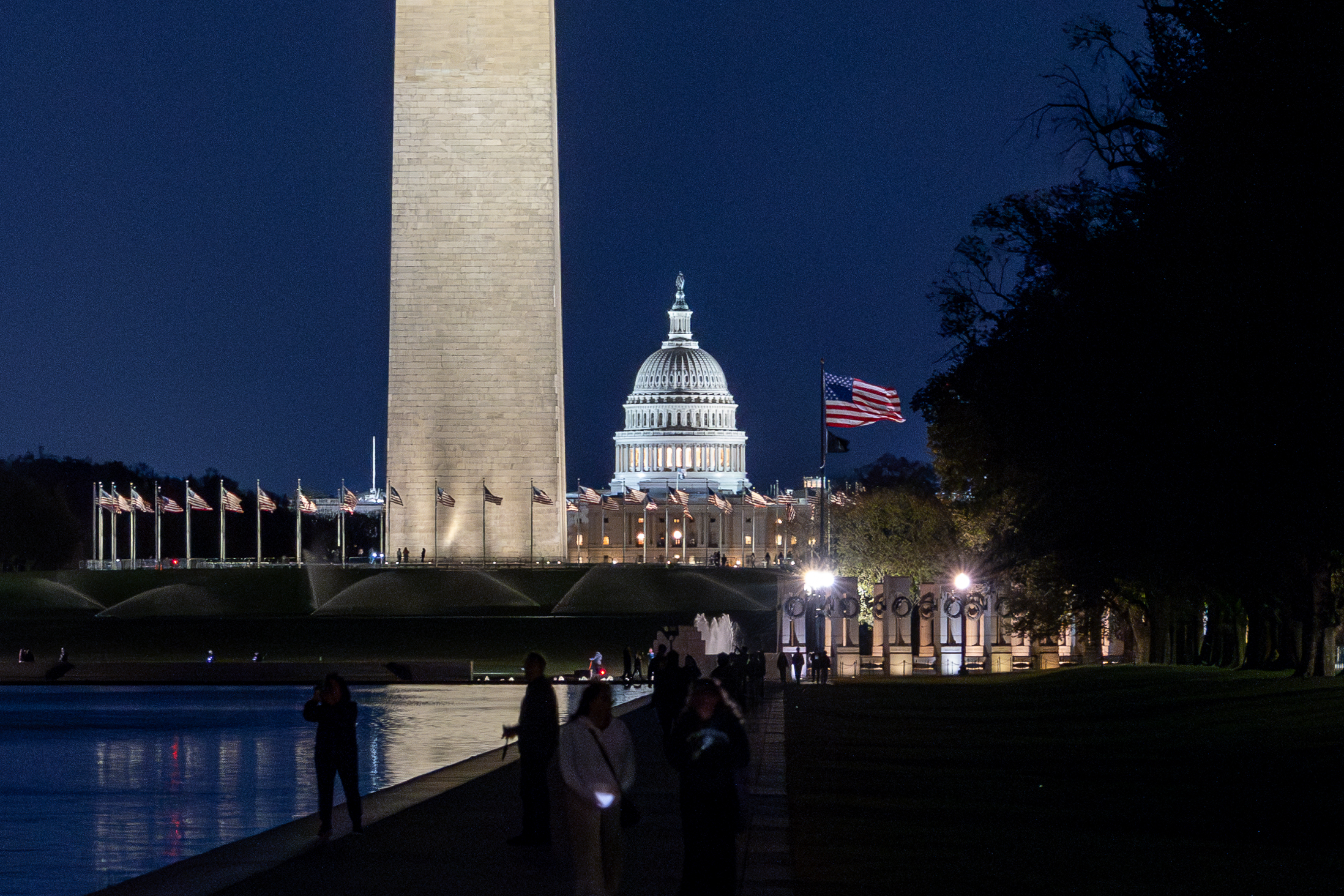
How do we respond? The available options are limited, but they are not exhausted. Congressional action offers the clearest path toward a lasting solution. Contact your representatives and senators and ask them to investigate this regulatory gap for environmental impacts of space activities and establish enforceable protections for the night sky, biodiversity, and astronomy. DarkSky International, Earthjustice, and other coalition partners are currently evaluating available legal and policy options to oppose a broader constellation of space mirrors. Supporting those efforts, sharing accurate scientific information, and building sustained public pressure are crucial to ensure this demonstration doesn’t act as a precedent for a much larger constellation.
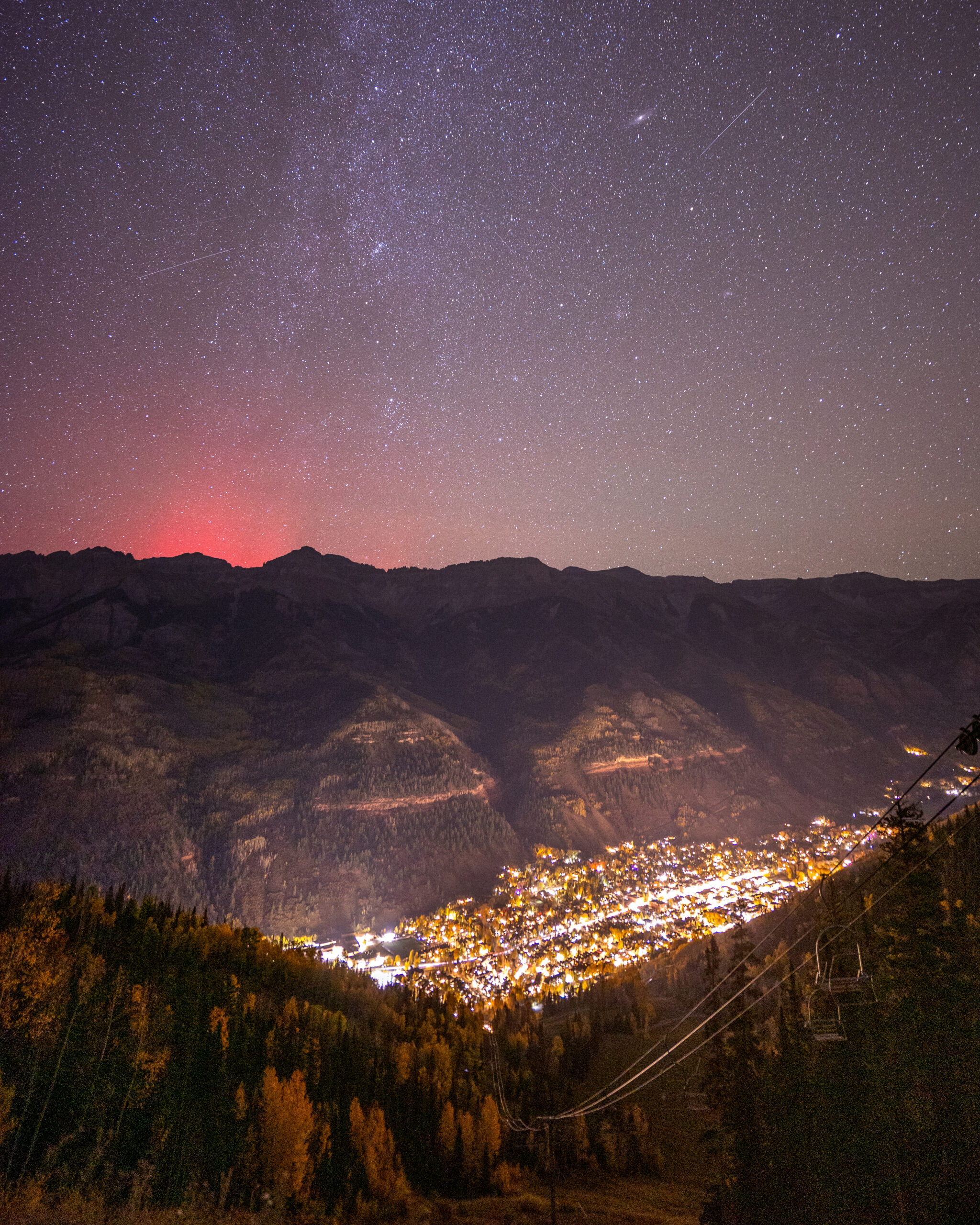
Our night skies seem permanent, but the ancient order of the cosmos can quickly become chaos. We must fight the space mirror project for the sake of our planet and the stars that have always guided us home.

 , anyone?).